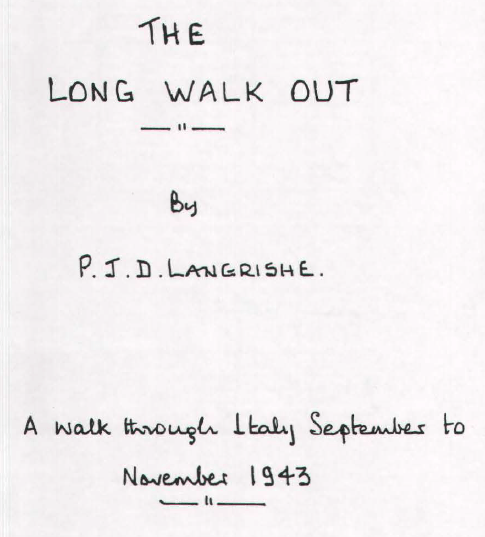
Contained deep in the Archives of the Monte San Martino Trust is a very interesting description of the escape from PG 49 at Fontanelato written by John Langrishe, a Lieutenant with the 25/26 Battery of 7th Medium Regiment Royal Artillery, entitled “The Long Walk Out” which describes in his own words the events that took place after the Italian Armistice from September to November 1943. And, a few days after leaving the comfort of the Orphanage, he describes life on the outside.
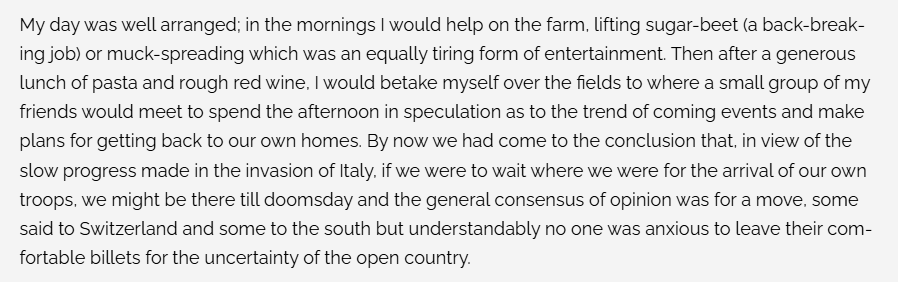
But, in the book edited by Ian English entitled “Home by Christmas?” John Langrishe is confusingly referred to as Peter who, in Chapter 4 of that book: The March Out – First days of Freedom, he quoted as saying “We exchanged our relatively comfortable and ordered existence for a rough and uncertain way of life.”
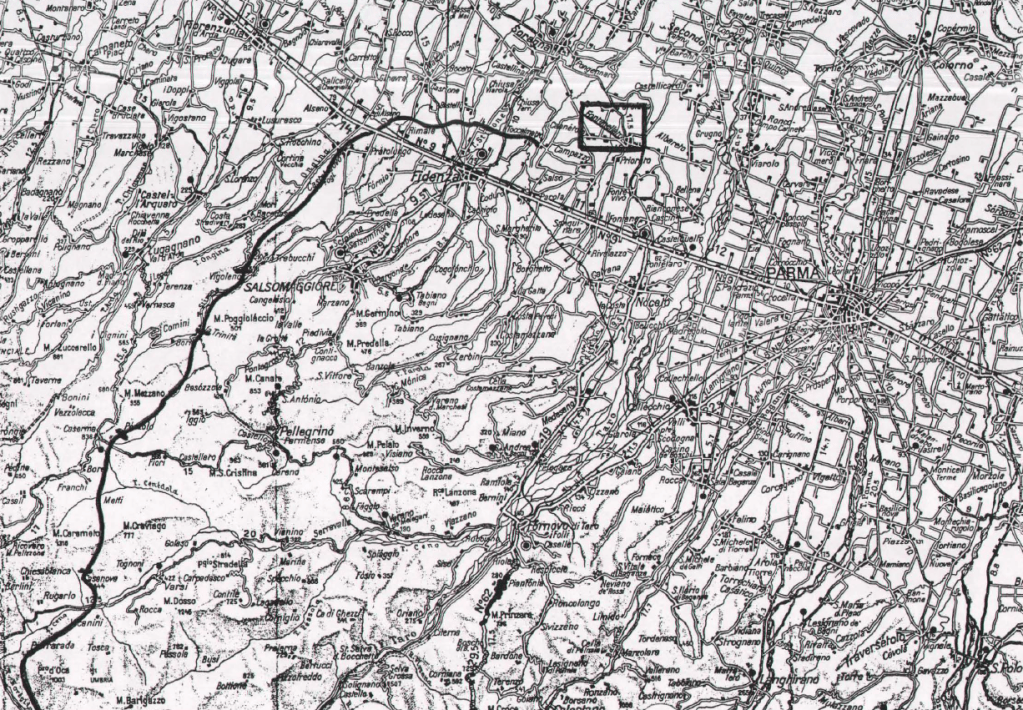
And, interestingly for me, this story parallels a similar start to my own father’s ‘Long Walk from Fontanellato’ as the route passes through much of the same countryside heading south west after crossing the main road between Parma and Milan and bypassing Fidenza and passing close by the villages of Villora and Varsi, both destinations my Mum and Dad visited in 1952.
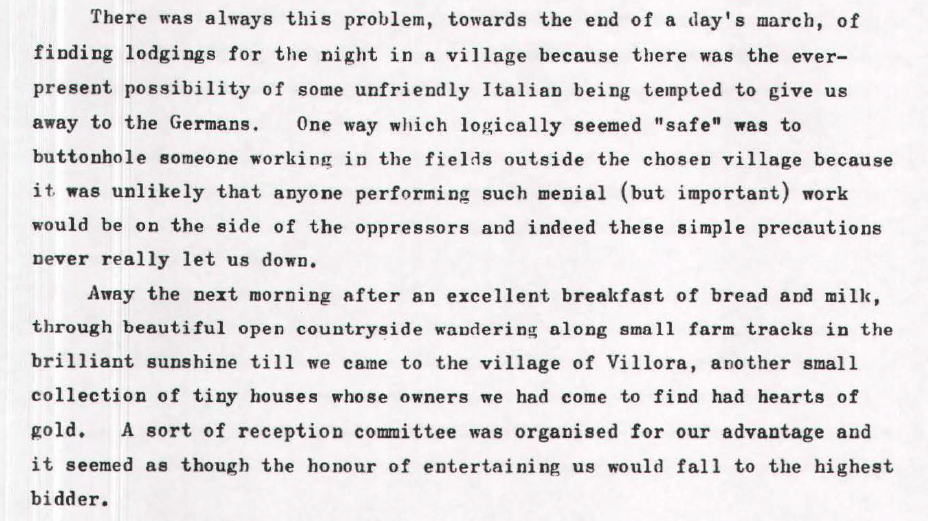
And so they “came to the village of Villora” and now I’m wondering if my Dad had already settled into this village as John and his team (I think then comprising Jerry and Mac?) came up against strong opposition. And what are the chances of this group of four strong ex-prisoners being my Dad, Mike Goldingham, John Meares and Paddy Bruen?
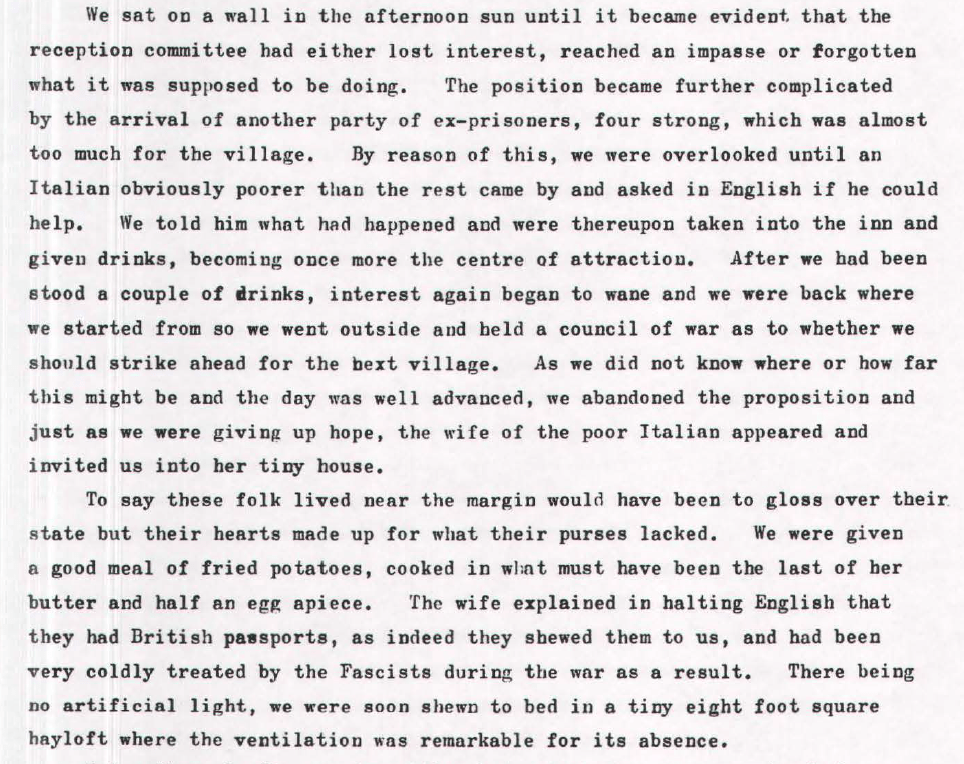
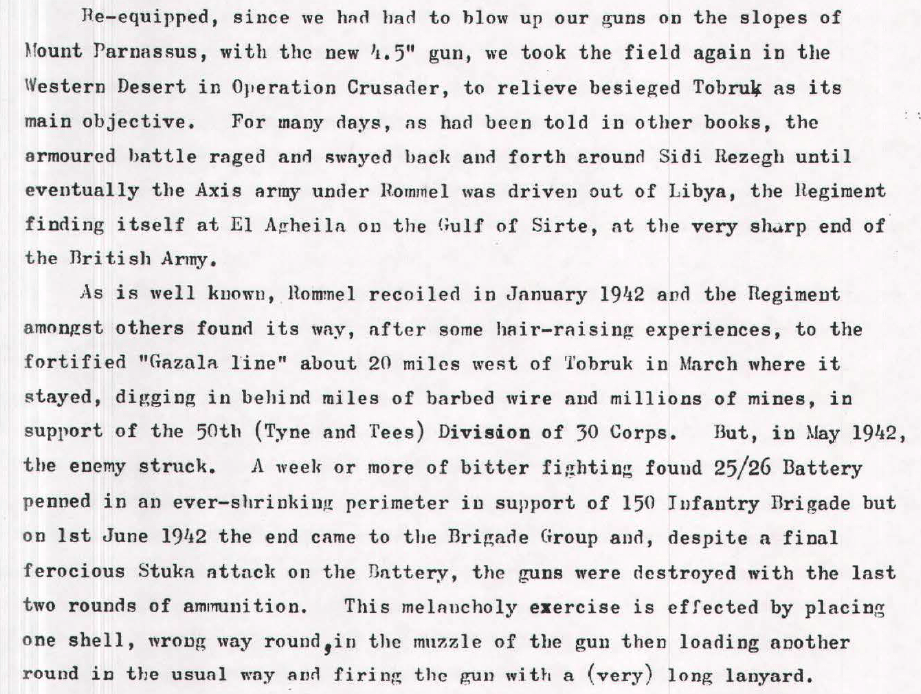
But John’s story also provides a few hints as to how PG 49 at Fontanellato was populated. And it starts off by providing details of his capture on the “Gazala Line” about 20 miles west of Tobruk on 1st June 1942, exactly one month before Dad’s capture at Deir el Shein on 1st July 1942!
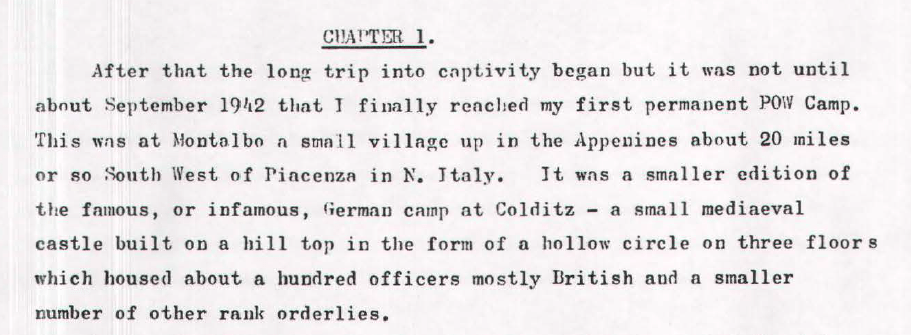
And so for John the war is over and he finds himself transported from North Africa to Italy ending up at his first ‘permanent’ POW camp at PG 41 at Montalbo.
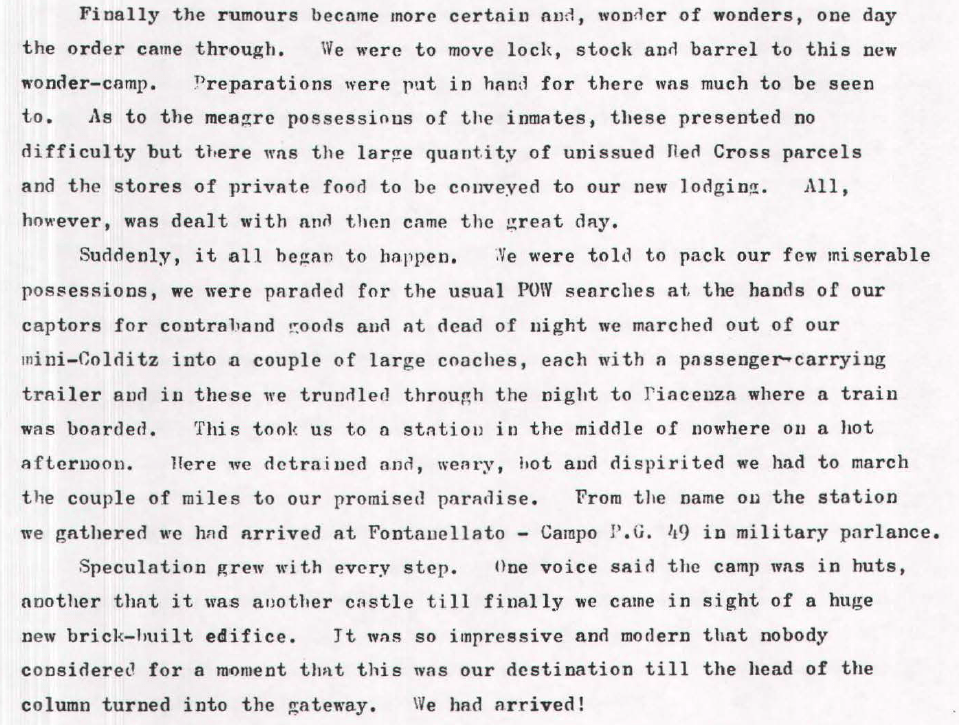
His story continues indicating that, in the Spring of 1943 he along with some 100 others was moved out to Piacenza by coach and then to Fontanellato by train –
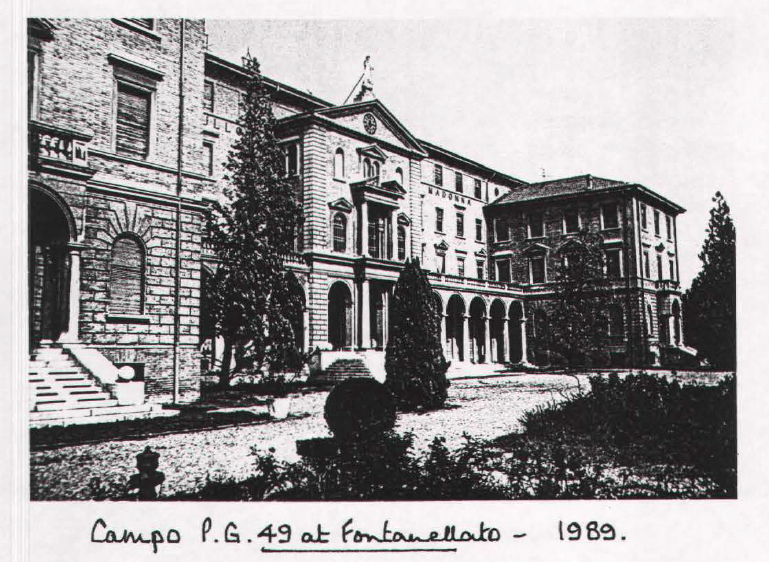
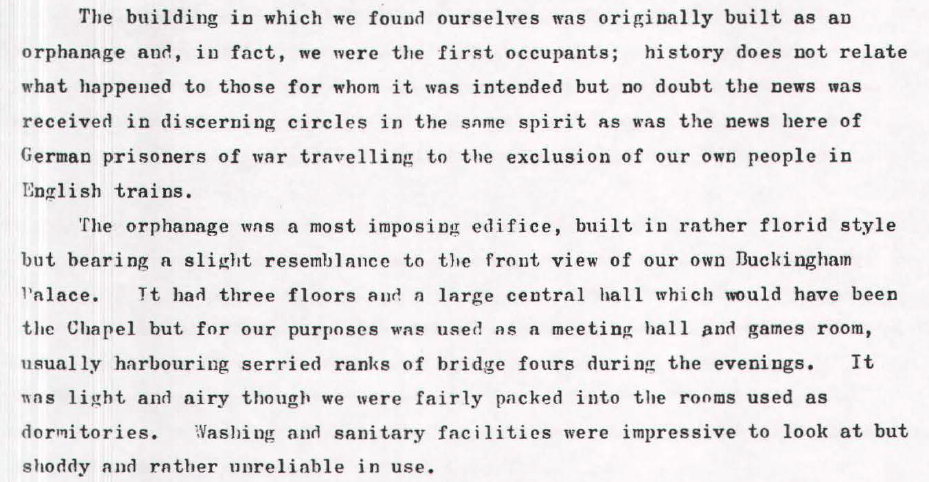
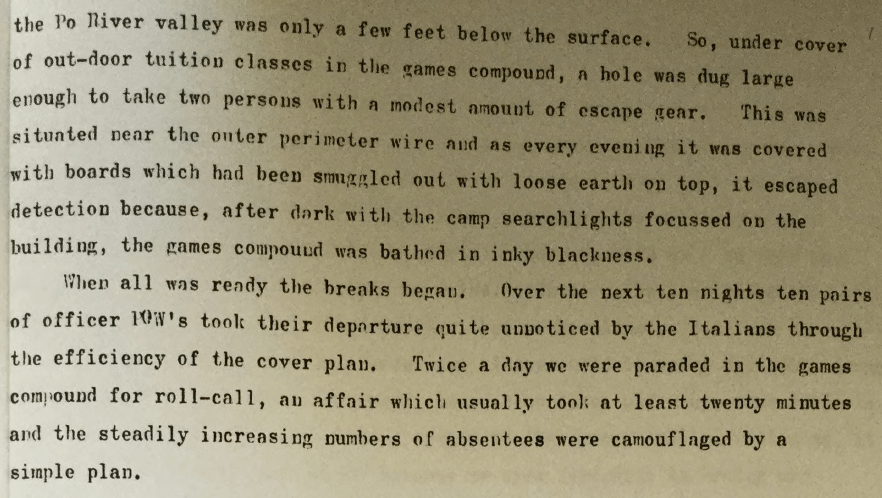
And later on in his story he describes the building and even goes on to talk about the “Great Escape” from the playing fields in which he seems to indicate that as many as 20 officers used the route to escape into the Italian countryside.
 PG 49 at Fontanellato in Italy - The Story of allied servicemen who were held prisoner of war in this town in Italy in World War II